David Lang · 2 September 2026
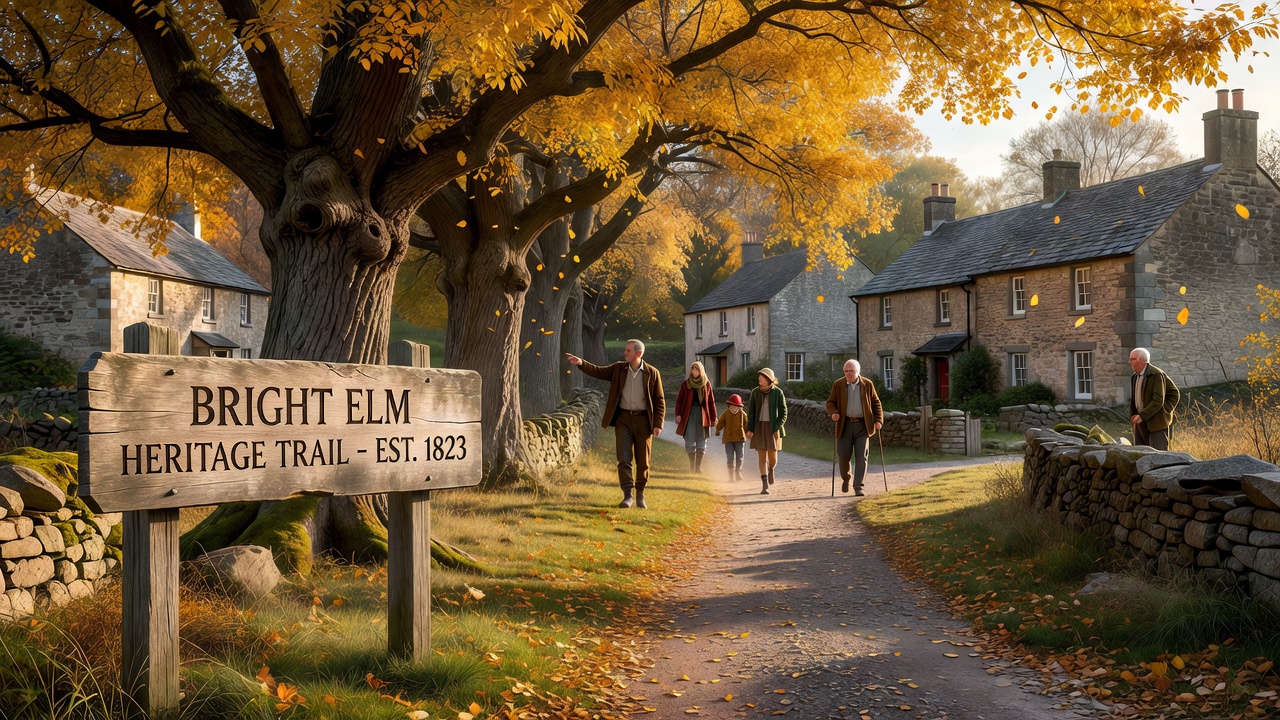
The unveiling of a new heritage trail marks a significant step in preserving and showcasing the rich history of Bright Elm. This path winds through key locations that span two centuries, providing insights into the community's evolution from its founding in the early nineteenth century to contemporary times.
The Early Years and Settlement
Bright Elm's origins date back to 1824 when pioneers established a farming community on the banks of the Elm River. The fertile soil supported crops and livestock, leading to rapid growth. Early infrastructure included a water mill for grain processing and a stone chapel that became the social center. By 1850, the population had reached over five hundred residents. The trail includes markers detailing these beginnings, with excerpts from settlers' diaries displayed at the starting point near the old mill.
Transportation advancements played a crucial role. The construction of a railway line in 1867 connected Bright Elm to larger cities, facilitating trade in timber and produce. This period saw the rise of Victorian architecture in homes and public buildings, many of which are stops on the trail. Historians note the influence of local families who shaped the town's governance and economy.
Trail Features and Lasting Impact
The trail comprises twelve distinct sites, each with interpretive signs explaining historical events. Highlights include the preserved railway station, now a museum, and the riverside docks where goods were shipped. Educational programs integrated into the trail offer workshops on traditional crafts like blacksmithing. Accessibility features ensure that individuals with mobility challenges can participate fully.
Community involvement was key to the trail's development, with volunteers contributing countless hours to research and maintenance. The project has already attracted hundreds of visitors since opening, fostering a deeper appreciation for local heritage. It also supports environmental education by highlighting sustainable practices used historically. Looking ahead, expansions may incorporate digital elements like virtual reality tours of past eras. This endeavor reinforces Bright Elm's identity as a place where history and nature intertwine seamlessly.