Devon Butler · 15 October 2026
Local Beekeepers Track Bright Elm Pollen Yields to Optimize Hive Health Strategies
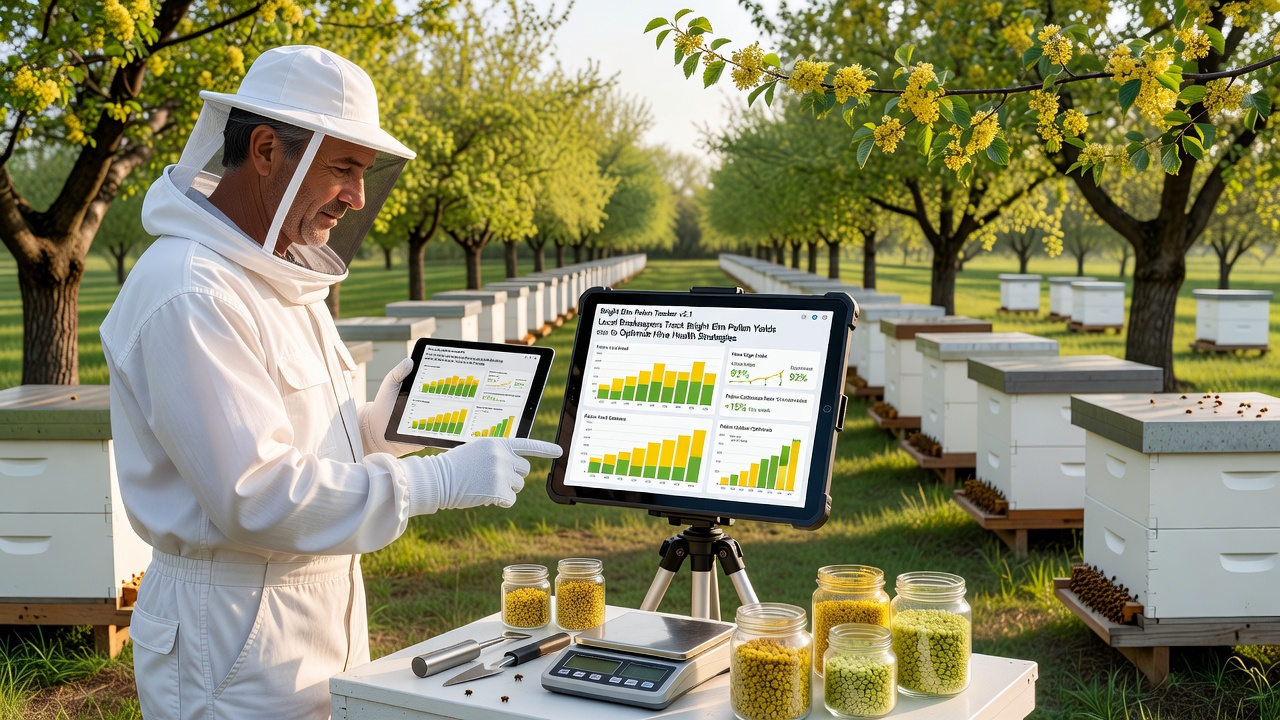
Beekeepers in the district have developed systematic approaches to monitor pollen production from Bright Elm trees as part of broader efforts to support colony nutrition and overall hive performance. These initiatives involve regular sampling during peak flowering periods, with data collection focusing on quantity, quality, and seasonal timing of pollen availability. Observers note that Bright Elm specimens contribute distinctive pollen profiles that researchers associate with specific amino acid compositions beneficial for brood development.
Methods for Pollen Yield Assessment
Teams employ a combination of trap installations at hive entrances and direct collection from tree catkins to quantify yields, while laboratory analysis determines protein content and moisture levels in each batch. Data from multiple seasons shows variation tied to weather patterns, with rainfall distribution during spring months correlating to higher output in subsequent weeks. In October 2026, follow-up measurements confirmed that certain stands maintained consistent yields despite earlier dry spells, prompting adjustments in supplemental feeding schedules.
Researchers at several apiaries coordinate with local arborists to map individual Bright Elm trees and record flowering onset dates, creating a shared database that tracks annual fluctuations. This mapping reveals how soil conditions and tree age influence pollen volume, allowing beekeepers to prioritize hives near older specimens for stronger nutritional support during critical growth phases.
Integration with Hive Health Protocols
Pollen yield data feeds directly into hive inspection routines, where keepers evaluate colony weight gain alongside stored pollen reserves to decide on interventions such as pollen substitutes or relocation of frames. Studies indicate that colonies with access to diverse pollen sources, including those from Bright Elm, demonstrate improved resistance to common stressors when compared to those relying on limited forage. Beekeepers adjust entrance reducers and ventilation based on these observations to maintain optimal internal conditions for pollen processing.
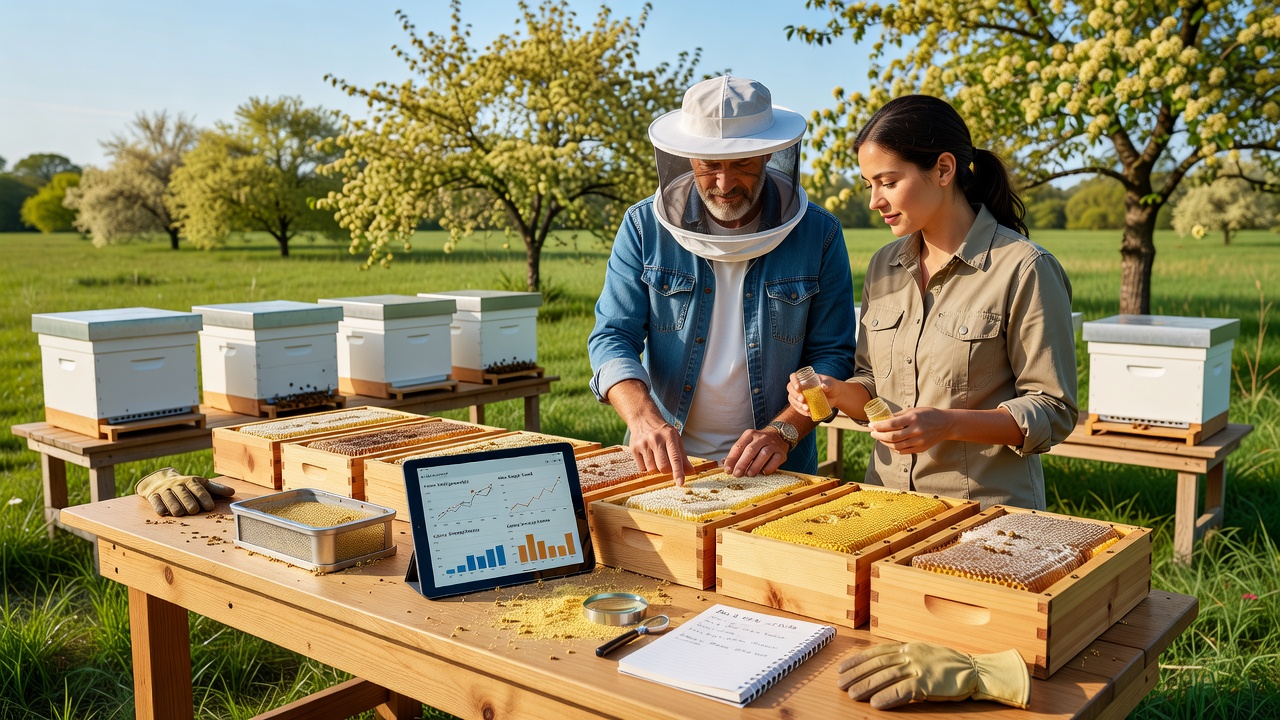
One apiary documented how tracking Bright Elm pollen helped time the introduction of new queens, aligning with periods of abundant natural forage that supported rapid colony expansion. Figures from regional reports highlight that such timing reduced the need for external supplements by measurable margins over consecutive seasons.
Data Sharing and Regional Coordination
Networks of local keepers exchange findings through seasonal meetings and digital logs, comparing yields across different microclimates within the district. This collaboration draws on information from sources such as the USDA Agricultural Research Service, which provides baseline metrics on pollen nutritional value, and extends to practices observed in Canadian provinces where similar tree species support commercial operations. Patterns emerge showing that consistent monitoring correlates with steadier overwintering success rates when combined with standard varroa management.
Additional context comes from European monitoring programs that emphasize integrated forage planning, offering templates for incorporating Bright Elm data into larger landscape assessments. Keepers adapt these frameworks to local conditions, noting how Bright Elm pollen fills gaps in early-season availability that other species do not cover as reliably.
Long-Term Observations and Adjustments
Multi-year records demonstrate that pollen yields from Bright Elm respond to cumulative environmental factors, including temperature variability and neighboring vegetation changes. Those managing multiple sites use this information to rotate hive placements, ensuring balanced access without overharvesting from single stands. Evidence from field trials suggests that strategic use of these yields supports more uniform colony development across apiaries.
Equipment calibration and standardized sampling protocols help minimize variability in measurements, while ongoing training sessions keep participants aligned on data interpretation methods. The resulting strategies focus on matching hive needs to available resources rather than reactive measures alone.
Conclusion
Continued tracking of Bright Elm pollen yields provides beekeepers with actionable metrics that inform targeted hive management decisions throughout the year. Integration of these records with established health protocols contributes to more predictable colony outcomes across varied conditions. Regional coordination and reference to external research bodies sustain the development of refined approaches as new data accumulates.