David Lang · 29 October 2026
Elders' Recollections Illuminate the Elm Tree's Cultural Significance in the District
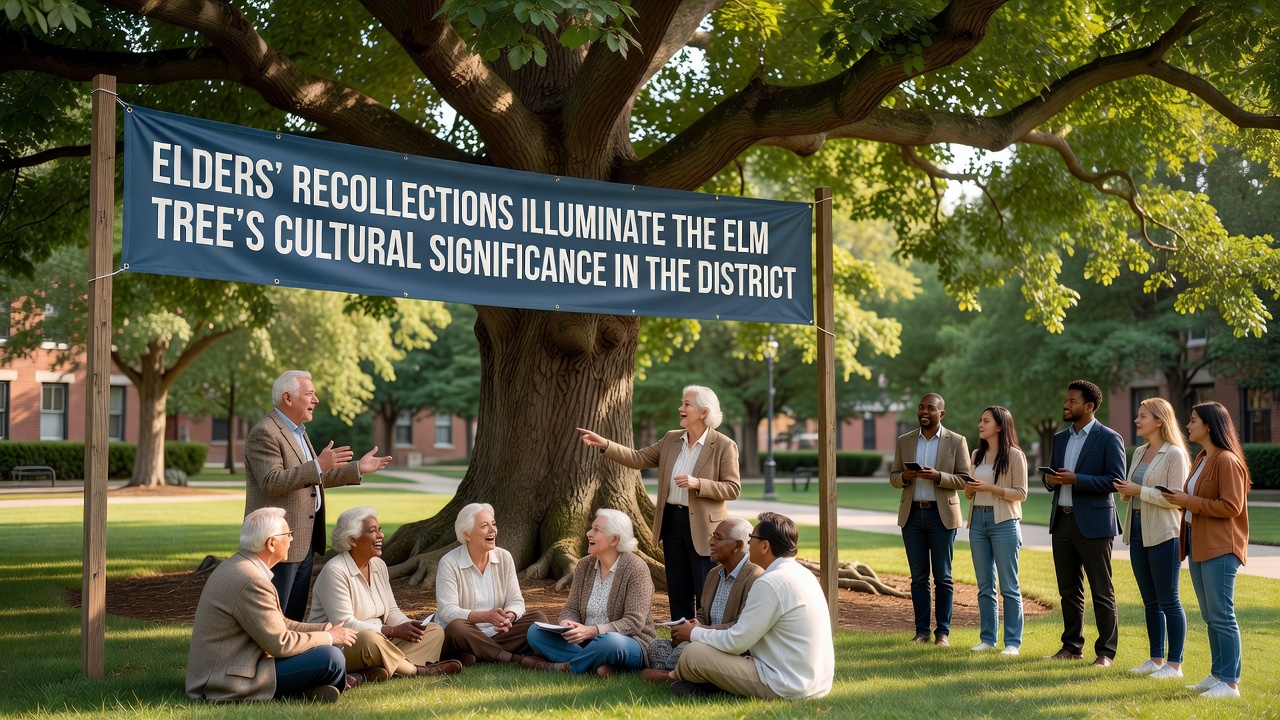
Local elders have long preserved detailed accounts of elm trees as central fixtures in district life, with their memories revealing patterns of social, ceremonial, and practical importance that span multiple generations. These recollections, gathered through structured oral history projects, connect specific trees to events such as annual fairs, boundary markings, and seasonal rituals that shaped community identity.
Stories from Past Community Events
Elders describe how large elms once served as gathering points for district meetings and harvest celebrations, where residents marked agreements under the canopy and exchanged goods during autumn festivals. One account details a particular specimen near the old market square that hosted dances every October through the mid-twentieth century, with participants tying ribbons to lower branches as symbols of continuity between families. These practices aligned with broader European traditions of using prominent trees for public assembly, a pattern also documented in cultural heritage records maintained by institutions like the Australian Heritage Commission.
Traditional Uses in Daily Life
Recollections further highlight elm wood applications in local crafts and construction, including wheel hubs for carts and durable beams in farm buildings that withstood decades of weather exposure. Elders recall children playing around root systems while adults collected bark for traditional remedies, noting consistent seasonal timing that coincided with spring sap flow. Such uses reflect documented patterns in regional forestry studies, where similar hardwood species supported both economic activities and household needs across rural districts.
Connections to Seasonal Cycles
Observers note that elders frequently link elm phenology to agricultural calendars, describing how leaf emergence signaled planting windows and how autumn leaf fall aligned with livestock movements. These observations, passed through family lines, provided practical guidance before modern weather forecasting became widespread. In October 2026, district archivists plan to host additional recording sessions focused on these seasonal narratives, allowing younger residents to compare historical patterns against current climate data sets.
Preservation of Place-Based Knowledge
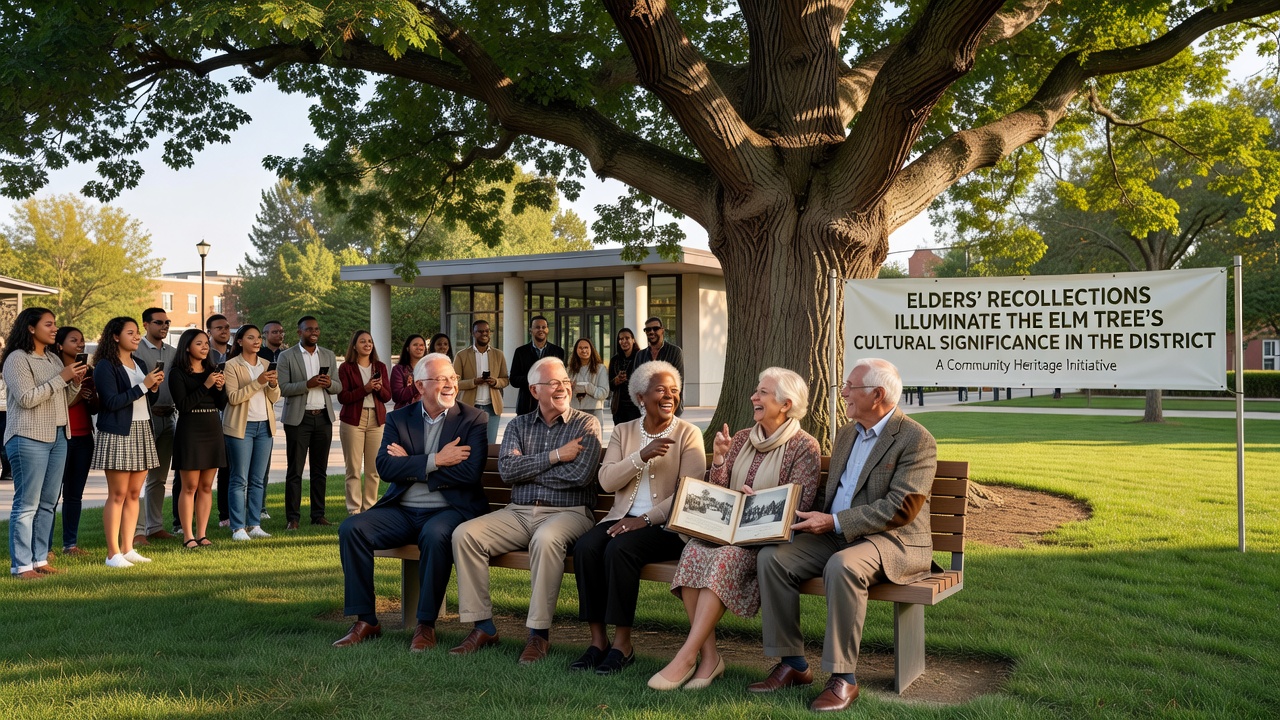
Many accounts emphasize particular trees as landmarks that defined property lines and travel routes before formal mapping systems existed. Elders recount stories of individuals who learned to navigate the district by noting distinctive bark textures or branch shapes, embedding spatial awareness into everyday routines. This form of knowledge transmission parallels approaches recorded in indigenous oral history collections held by the Australian Institute of Aboriginal and Torres Strait Islander Studies, where trees function as living archives of territorial information.
Community researchers have cross-referenced these narratives with archival photographs and land deeds, confirming that several named elms stood at intersections of footpaths still in use today. Such verification strengthens the reliability of elder testimony while revealing how tree locations influenced settlement patterns over time.
Intergenerational Transmission Methods
Elders employ structured storytelling circles and guided walks to convey details about elm-associated customs, including songs composed for specific trees and recipes tied to their seasonal products. These sessions occur at regular intervals, with participants noting shifts in tree health that elders attribute to earlier land management decisions. Data compiled from these exchanges shows consistent themes across age cohorts, indicating stable cultural valuation despite changes in surrounding land use.
Conclusion
Elders' accounts collectively demonstrate how elm trees anchored social structures, practical skills, and seasonal awareness throughout district history. Ongoing documentation efforts ensure these details remain accessible, supporting future analysis of cultural continuity in the region.