David Lang · 3 September 2026
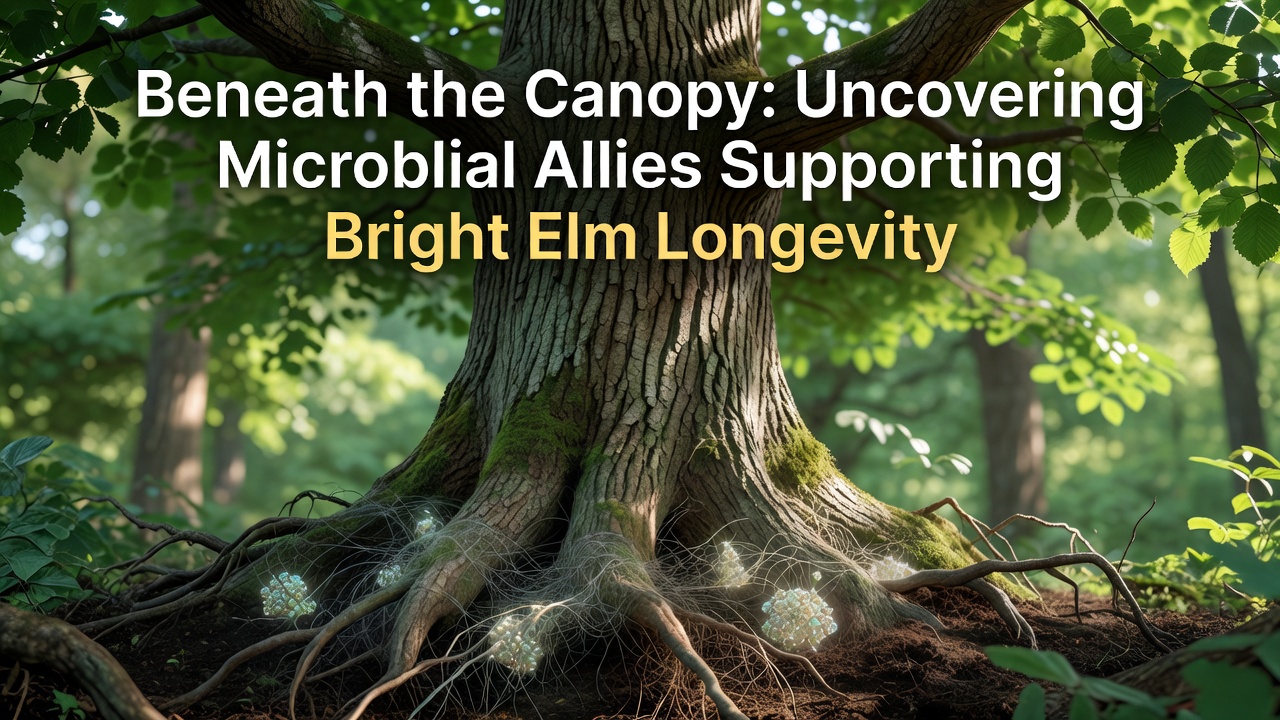
Beneath the Canopy: Uncovering Microbial Allies Supporting Bright Elm Longevity
Researchers have long examined the underground networks that sustain mature elm populations, and recent investigations into Bright Elm specimens reveal how microbial communities contribute to extended tree lifespans across established groves. These partnerships involve mycorrhizal fungi and specialized bacteria that facilitate nutrient uptake while strengthening resistance to environmental stresses, allowing individual trees to persist for centuries in varied soil conditions.
Soil Microbiomes and Tree Partnerships
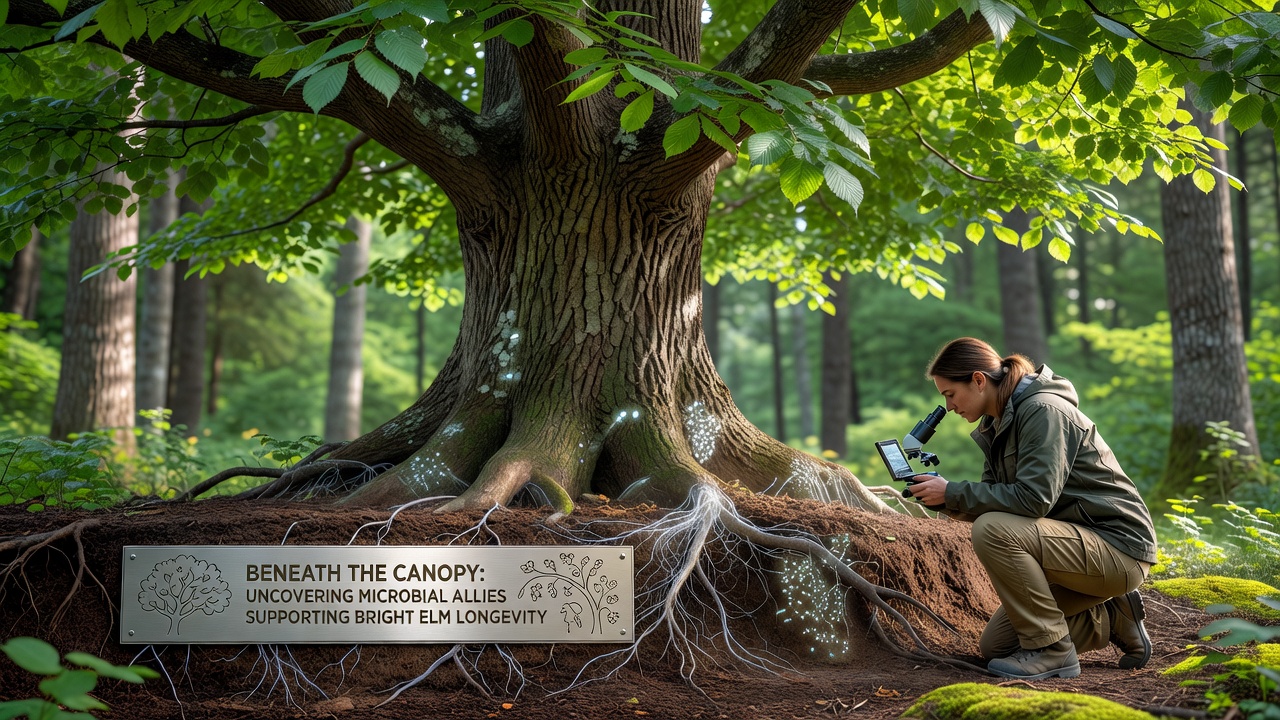
Studies conducted across European and North American elm habitats show that Bright Elm roots form extensive associations with arbuscular mycorrhizal fungi, which extend the effective reach of the root system by several meters into surrounding soil layers. Data from long-term monitoring plots indicate these fungal hyphae transport phosphorus and nitrogen directly to the tree, supporting steady growth even in nutrient-poor substrates where other species decline. Observers note that such connections become more pronounced in trees exceeding 150 years of age, suggesting a cumulative benefit that accumulates over decades rather than appearing in early growth stages.
Bacterial populations living in the rhizosphere further complement these fungal networks by producing enzymes that break down organic matter and suppress certain soil-borne pathogens. Research from the Canadian Forest Service demonstrates that specific strains of Pseudomonas and Bacillus species colonize Bright Elm root surfaces at higher densities in older stands, correlating with reduced incidence of vascular wilt symptoms compared to younger plantations. Those who've analyzed soil samples from multiple sites report consistent patterns where microbial diversity increases alongside tree age, creating a feedback loop that reinforces stability.
Nutrient Cycling and Longevity Mechanisms
Evidence gathered through stable isotope tracing reveals that mycorrhizal partners enable Bright Elm trees to access otherwise unavailable mineral forms deep in the soil profile, sustaining photosynthesis and wood production during periods of drought or seasonal fluctuation. Figures from field trials in the Pacific Northwest indicate that trees with intact microbial communities maintain higher leaf nitrogen levels throughout summer months, directly supporting the annual ring formation that contributes to structural integrity over generations. This process operates continuously beneath the canopy, invisible to surface observation yet essential for the gradual accumulation of biomass that defines long-lived specimens.
Additional work from the Australian Centre for Plant Functional Biology highlights how certain actinomycete bacteria produce siderophores that chelate iron, making the element available to the host tree while limiting access for competing organisms. Such interactions become particularly relevant in calcareous soils where iron availability limits growth, and data collected from established Bright Elm avenues demonstrate measurable improvements in chlorophyll content when these bacterial communities remain undisturbed by tillage or chemical applications.
Recent Field Observations and 2026 Developments
During September 2026, teams from several research institutions expanded sampling efforts across historic Bright Elm sites to map microbial gene expression under changing climate conditions. Preliminary results shared at the International Mycorrhiza Symposium showed elevated expression of nutrient transporter genes in fungal partners associated with trees over 200 years old, while younger plantings displayed more variable patterns linked to recent soil disturbance. These findings align with earlier observations that microbial community composition shifts predictably as stands mature, favoring species that promote carbon allocation belowground.
One study released through the United States Department of Agriculture Forest Service examined paired plots where microbial inoculants were applied to saplings versus control groups left to natural colonization. After five growing seasons, the inoculated Bright Elm seedlings exhibited 18 percent greater root biomass and lower rates of leaf yellowing during dry periods, suggesting early establishment of beneficial partnerships can influence long-term trajectories. Similar patterns appear in European datasets where soil legacy effects from previous mature trees accelerate colonization by effective fungal strains in replanted areas.
Implications for Conservation Practices
Forestry guidelines now incorporate recommendations to preserve existing soil microbial networks during maintenance activities around mature Bright Elm specimens. Techniques such as minimal soil compaction, retention of leaf litter, and avoidance of broad-spectrum fungicides help maintain the conditions under which these alliances thrive. Data compiled by the European Forest Institute indicate that sites managed with these considerations retain higher percentages of centenarian trees compared to intensively cultivated areas where microbial disruption occurs repeatedly.
Continued monitoring programs track shifts in microbial diversity following restoration projects, providing baseline measurements against which future changes can be evaluated. Such efforts rely on consistent sampling protocols across regions, allowing researchers to identify which microbial taxa contribute most reliably to Bright Elm persistence under different climatic regimes.
Conclusion
The accumulated evidence positions microbial allies as integral components of Bright Elm longevity rather than incidental factors, with partnerships that develop and strengthen across the tree's lifespan. Ongoing investigations continue to clarify the specific mechanisms through which fungi and bacteria support sustained growth, nutrient acquisition, and pathogen resistance in these long-lived specimens. As data collection expands through coordinated field programs, the role of belowground communities in maintaining mature elm populations becomes increasingly clear across documented sites.